
Explore Our Range: Organic Peas and Asian Vegetables
- Muindo Gituku

- May 5
- 4 min read
When it comes to fresh produce, few items can match the versatility and nutritional value of organic peas and Asian vegetables. These ingredients not only enhance the flavor of your dishes but also contribute to a healthier lifestyle. In this blog post, we will delve into the benefits of organic peas and various Asian vegetables, explore their culinary uses, and provide tips on how to incorporate them into your meals.
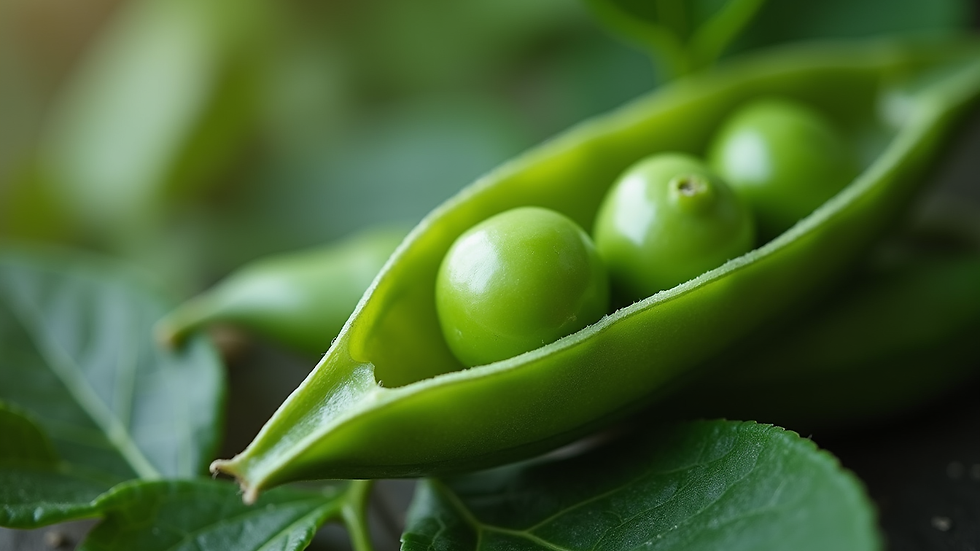
The Benefits of Organic Peas
Organic peas are a powerhouse of nutrition. They are rich in vitamins, minerals, and antioxidants, making them an excellent addition to any diet. Here are some key benefits of incorporating organic peas into your meals:
Nutritional Value
High in Protein: Peas are an excellent source of plant-based protein, making them a great option for vegetarians and vegans.
Rich in Fiber: They contain a significant amount of dietary fiber, which aids in digestion and helps maintain a healthy weight.
Packed with Vitamins: Organic peas are loaded with vitamins A, C, and K, as well as several B vitamins, which are essential for overall health.
Health Benefits
Supports Heart Health: The fiber and antioxidants in peas can help lower cholesterol levels and reduce the risk of heart disease.
Boosts Immunity: The high vitamin C content in peas can enhance your immune system, helping you fend off illnesses.
Aids in Weight Management: The combination of protein and fiber in peas can help you feel full longer, reducing the likelihood of overeating.
Culinary Uses of Organic Peas
Organic peas can be used in a variety of dishes, from soups to salads. Here are some creative ways to incorporate them into your meals:
Soups and Stews
Peas can add a sweet flavor and vibrant color to soups and stews. Try adding them to a classic split pea soup or a hearty vegetable stew for an extra nutritional boost.
Salads
Fresh or blanched peas can enhance salads with their crisp texture. Combine them with mixed greens, cherry tomatoes, and a light vinaigrette for a refreshing side dish.
Pasta Dishes
Peas pair wonderfully with pasta. Toss them into your favorite pasta dish along with a light cream sauce or olive oil, garlic, and parmesan for a quick and satisfying meal.
Exploring Asian Vegetables
Asian vegetables are not only delicious but also offer a unique twist to your culinary creations. Here are some popular Asian vegetables to consider:
Bok Choy
Bok choy is a type of Chinese cabbage that is rich in vitamins A and C. It has a mild flavor and crunchy texture, making it perfect for stir-fries and soups.
Daikon Radish
Daikon radish is a versatile vegetable that can be eaten raw or cooked. It has a mild, slightly sweet flavor and is often used in salads, pickles, and soups.
Chinese Eggplant
Chinese eggplant is longer and thinner than its Western counterpart. It has a tender texture and absorbs flavors well, making it ideal for stir-frying or grilling.
Health Benefits of Asian Vegetables
Incorporating Asian vegetables into your diet can provide numerous health benefits:
Rich in Nutrients: Many Asian vegetables are low in calories but high in essential nutrients, making them a great choice for weight management.
Antioxidant Properties: Vegetables like bok choy and daikon radish are rich in antioxidants, which can help combat oxidative stress in the body.
Supports Digestive Health: The fiber content in these vegetables aids in digestion and promotes gut health.
Culinary Uses of Asian Vegetables
Asian vegetables can be used in various dishes, adding unique flavors and textures. Here are some ideas:
Stir-Fries
Stir-frying is one of the best ways to prepare Asian vegetables. Combine bok choy, Chinese eggplant, and bell peppers with your choice of protein for a quick and nutritious meal.
Salads
Create a refreshing salad using shredded daikon radish, carrots, and cucumbers. Toss with a sesame dressing for a delightful side dish.
Soups
Add Asian vegetables to your soups for an extra layer of flavor. Bok choy and Chinese eggplant work well in miso soup or ramen.
Tips for Selecting and Storing Organic Peas and Asian Vegetables
To ensure you get the best quality produce, consider the following tips:
Selecting Organic Peas
Look for Bright Color: Choose peas that are vibrant green and firm to the touch.
Check for Freshness: Avoid peas that are wilted or have brown spots.
Storing Organic Peas
Refrigerate: Store peas in a breathable bag in the refrigerator to maintain freshness.
Use Quickly: For the best flavor and texture, use fresh peas within a few days of purchase.
Selecting Asian Vegetables
Choose Firm Vegetables: Look for bok choy and eggplants that are firm and free from blemishes.
Check for Freshness: Fresh Asian vegetables should have a crisp texture and vibrant color.
Storing Asian Vegetables
Refrigerate: Store Asian vegetables in the crisper drawer of your refrigerator.
Use Soon: Consume them within a week for optimal freshness.
Conclusion
Incorporating organic peas and Asian vegetables into your diet can enhance your meals while providing numerous health benefits. With their rich nutritional profiles and versatility in cooking, these ingredients are a fantastic choice for anyone looking to improve their diet.
Next time you're at the grocery store or farmer's market, consider picking up some organic peas and Asian vegetables. Experiment with different recipes and discover how these ingredients can elevate your culinary creations. Enjoy the journey of exploring new flavors and nourishing your body with wholesome produce!


Comments